
Why Rabby Wallet Changed How I Think About MEV and Transaction Simulation
Whoa! I wasn’t expecting a browser wallet to make me rethink basic trade flow. Seriously? Yeah. At first it was a curiosity—another extension to try. But then somethin’ felt off about how my transactions were getting sandwiched and front-run, and my instinct said: there has to be a better way. My initial impression was that most wallets just sign and send. That’s it. No guardrails. No rehearsal. No clear checkpoint.
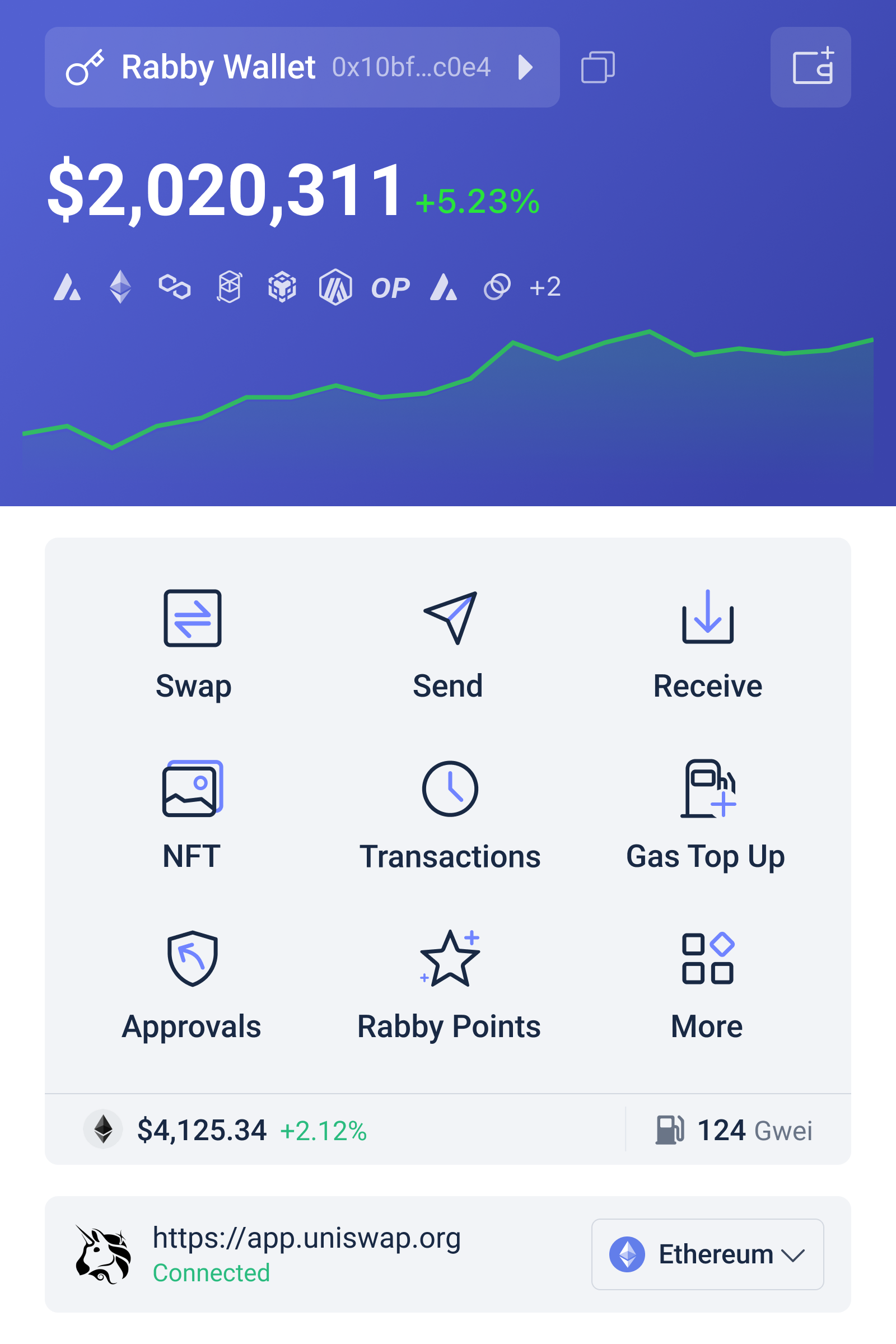
Okay, so check this out—Rabby Wallet brings transaction simulation and MEV protection into a package that feels like a Pro tool but with the usability of a consumer app. I’m biased, because I’ve spent years building and auditing DeFi flows, but this part actually surprised me. The wallet simulates what your tx will do before you hit confirm. That little rehearsal can save you a ton of gas and grief, and it exposes slippage paths, token approvals, and failed calls before you commit real funds. On one hand that’s just UX; on the other hand it’s risk reduction—though actually when you dig deeper it becomes a structural defense against predictive bots and bad-relay behavior.
Let me walk you through my mental model. Initially I thought simulation was just for devs. But then I realized traders and regular users both benefit: devs experiment safely; traders avoid execution failures; everyday users avoid catastrophic approvals. Transaction simulation acts like a dress rehearsal. You see the exact contract calls, state changes, and gas estimation. You can pause and say, “Wait, why am I approving this much?” or “Why would this swap route route through a low-liquidity pool?” Suddenly you catch issues that normally only surface after the money’s gone.
MEV Protection: Not Magic, But Pragmatic
Here’s what bugs me about MEV discourse: people either act like it’s a black box apocalypse or like it’s already solved. Neither stance helps. Rabby Wallet takes a pragmatic approach—mitigate common extraction patterns rather than promising to eradicate MEV overnight. It integrates front-running and sandwich protections by offering alternatives like bundle submission or reordering options when available. That means for many trades you can avoid predictable execution points that bots target.
On a practical level, Rabby will surface when a tx is unusually exposed and offer a safer route. Hmm… at first glance that sounds like hand-holding, but it’s actually risk engineering. You get to choose: accept the current path (fast but riskier), or route through protected paths that may be marginally slower. My experience: that tradeoff is worth it, especially for swaps larger than typical retail sizes or when interacting with newer DEXs.
Something I appreciated: Rabby doesn’t pretend to be a one-size-fits-all MEV shield. Instead it helps users make informed decisions and defaults to safer choices where it can. Initially I assumed those defaults might be too conservative, but after a few trades I noticed fewer surprises. The wallet’s transaction simulation shows the expected state transitions, and the MEV hints explain why a sandwich could occur—so you have context, not just a warning flash.
Transaction Simulation: The Feature You Didn’t Know You Needed
Transaction simulation is more than a preview. It’s a diagnostic tool. You can see whether a token transfer will revert because of permit limits, discover slippage that the DEX UI hides, or catch erroneous parameters from a dApp. On one hand that sounds like micro-optimization; on the other, it’s a vital safety net for inexperienced users who copy-paste contract calls from forums. I tested it on a complex multi-hop swap and it showed a failing intermediate route before I lost anything. That moment felt like a small miracle.
There are trade-offs. Simulations rely on node state and mempool conditions; they’re snapshots, not guarantees. So you still need to be cautious. But they reduce unknowns—a lot. When I simulated a permit-based approval, the wallet flagged an expiration mismatch and saved me from signing a permanent approval. Honestly, that part alone could stop a dozen exploits every year if more people used it.
By the way (oh, and by the way…), Rabby integrates with tooling that lets you inspect calldata in plain terms, not just hex. That accessibility matters. Not everyone wants to decode function selectors, but everyone should understand what they’re signing. This is where UX and security meet: low friction, big impact.
How Rabby Fits Into a Safer DeFi Workflow
In my DeFi checklist now, Rabby occupies three roles: pre-flight simulator, behavior advisor, and execution gate. First, simulate. Then, get a plain-English readout of risks. Finally, execute with mitigations enabled if needed. Sounds simple. But it’s surprising how often people skip those steps because the default wallet flow is a single dialog: sign. That single click is where a lot of MEV and UX failures happen.
I’m not claiming Rabby is a silver bullet. There are attacks and sophisticated extraction techniques that require network-level or protocol-level fixes. But giving users actionable insight before signing transactions shifts power away from opportunistic bots and back to humans. Initially I thought only pro traders would benefit, but now I see broad utility—especially for users who interact across multiple chains or with novel smart contracts.
Rabby also plays nice with developer tools. If you build a dApp, integrating with a wallet that can simulate and surface failure modes helps users trust your app. It reduces support tickets too—win-win. I wish more teams would treat transaction simulation as part of their UX surface, not a niche developer feature.
For a closer look you can try it yourself at https://rabby-wallet.at/. I prefer hands-on testing over theory; that’s how I learned that a simulated reveal prevents real losses. You might be surprised how quickly it becomes second nature to “rehearse” every non-trivial transaction.
FAQ
Does transaction simulation guarantee my tx won’t fail?
No. Simulation is a best-effort preview based on current node and mempool state. It’s extremely useful for catching deterministic failures and risky routes, but the final block state can differ. Treat simulation as a strong indicator, not an absolute guarantee.
How does Rabby protect against sandwich attacks?
Rabby identifies transactions that are likely to be targeted and offers safer execution options, such as alternative routing or bundle submission when supported. The wallet doesn’t eliminate all MEV, but it reduces exposure and gives you context to decide.
Is this only useful for professional traders?
Not at all. While pros benefit from the reduced slippage and timing controls, everyday users gain from clearer permission prompts, caught reverts, and fewer accidental approvals. It’s about making safer defaults accessible.
Leave a comment