Why Contactless Smart-Card Wallets Matter for Real-World Private Key Protection

Post by

Whoa, seriously, this is wild. I've been testing smart-card wallets for years now regularly. They feel different in your pocket than a phone. At first glance a contactless card-style hardware wallet seems trivial, but it's the subtle UX and hardware choices that determine if your keys survive a drop, water damage, or a hurried airport security line. My instinct told me that form factor matters a lot, though later I realized that firmware, secure element design, and very very important key derivation choices often matter even more when you're talking about real-world loss scenarios and attacker models.

Really? This surprised me, honestly. Contactless crypto wallets promise seamless, tap-to-pay convenience everywhere, at least in marketing. But the security trade-offs aren't always obvious to users. On one hand you remove cables and OTG adapters, which reduces attack surface in the field, but on the other hand you introduce NFC relay risks, side-channel exposure during active taps, and questions about physical durability when shoved into a wallet full of receipts and coins. Actually, wait—let me rephrase that: the real question developers must answer is how to balance ephemeral convenience with immutable cryptographic guarantees while still keeping onboarding simple for non-technical folks who just want their coffee and go.

Hmm... somethin' felt off early. Initially I thought a chip card would be purely passive. Then I dug into secure element specs and auth protocols. On deeper inspection the threat model expands quickly: hardware tampering, supply-chain replacement, cloned cards, compromised mobile apps, and even nuanced vendor key-management policies that can leak entropy or create centralized points of failure. On one hand some vendors emphasize open audits and reproducible builds, though actually supply-chain verification at scale remains challenging because chips and firmware get sourced globally and diverse contractors touch devices across continents.

Wow, that number shocked me. User experience matters in ways engineers often dismiss quietly. If people find security awkward, they'll choose convenience instead. Something else bugs me: recovery flows that rely on long mnemonic phrases are secure in labs but in practice users lose paper backups, misstore backups, or write seed words into cloud notes which completely defeats the point of offline key protection. I'm biased, but hardware devices that allow single-touch confirmations and clear transaction previews reduce accidental spends and social-engineering risks far better than devices that force users to blindly accept transaction hashes.

Close-up of a contactless smart card being tapped to a phone, showing a small green check icon

A practical look at daily use and trade-offs

Seriously? I'm not kidding. Contactless smart cards can pair with wallets via NFC. They often store private keys inside secure elements that are tamper-resistant. But you need to ask: who holds the root of trust, what firmware updates are allowed without physical consent, and can a lost card be nuked remotely or is recovery only through fragile mnemonic seeds? On the flip side some smart card architectures integrate recovery via companion apps and HSM-backed services, although those hybrid designs introduce centralization which changes the attacker model and user expectations in uncomfortable ways.

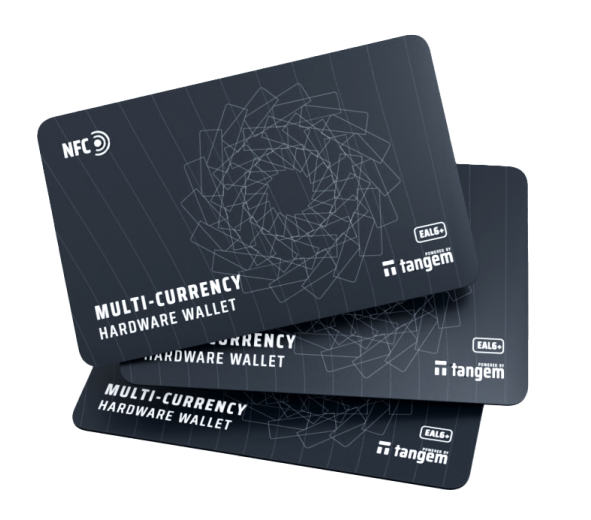
Okay, so check this out— I've been using the tangem wallet style card in my daily routine. It slots into my wallet like a credit card. At airports I can tap to authenticate a swap request while my phone stays in airplane mode, which reduces the attack vectors and feels oddly liberating when you're juggling bags and kids and endless boarding calls. My instinct said this would slow me down, though actually the opposite happened because the quick confirm flow made me less likely to fumble with cables or type long passwords in noisy terminals.

I'm not 100% sure, but... There are caveats to keep in mind for real-world deployments. Card cloning attacks, NFC relay, and wireless skimming are real threats. Defenses include transaction whitelisting, ephemeral session keys, physical tap authentication that requires capacitive or biometric confirmation, and strict anti-rollback firmware checks enforced by vetted root certificates. Developers also need to publish clear threat models and put firmware binaries through public reproducible builds so independent auditors can verify that the code running on the device matches the published artifacts, which increases trust but not a panacea.

Here's what bugs me about firmware updates. Automatic updates are convenient for many users but can be risky if unaudited. Manual signing of firmware can mitigate supply-chain attacks but is a UX hurdle. From a policy standpoint regulators are starting to ask for certified secure elements and procedures for key custody, though global harmonization is far off and bureaucracy moves at a different tempo than nimble crypto teams, so expectations must be managed for both users and institutions. So my takeaway: use contactless smart cards for daily convenience, pair them with strong recovery strategies, favor vendors who publish audits and reproducible builds, and accept that no single product will solve every edge-case—yet these devices are a pragmatic step forward for protecting private keys and enabling secure, real-world contactless payments...

FAQ

Can I recover funds if I lose my contactless card?

It depends. Some systems rely solely on mnemonic seeds, others offer backed-up recovery via companion services. Always check the vendor's recovery model before you buy and prefer approaches that minimize centralization while offering practical recovery paths.

Are contactless wallets safe for everyday purchases?

Yes for most routine transactions, especially when the device enforces user confirmation for each spend. But for large-value custody or institutional needs, pair cards with additional controls like multisig or hardware-backed HSMs.

Why multi-chain wallets, SPL tokens, and NFT marketplaces matter for Solana users

Post by

Here's the thing. I started poking around wallets last year and something felt off about the one-size-fits-all pitch. My instinct said there was more nuance—more tradeoffs to juggle—than the slick landing pages let on. Initially I thought cross-chain meant "more options," but then I watched a bridge hiccup eat a week's worth of trading fees and realized it's not that simple. So yeah, I'm a little twitchy about promises that sound too good to be true.

Wow. Multi-chain support looks great on paper. It promises access to more liquidity pools, DEXes, and NFT drops across ecosystems, and that can be empowering for power users and artists alike. On the other hand, bridging assets brings counterparty risks and UX friction that regular folks won't tolerate. I learned this when a buddy tried to move an SPL-backed token through a bridge and the experience was clunky, confusing, and yes—costly. If you're thinking about multi-chain for DeFi, expect to think about fees, confirmations, and failure modes.

Seriously? SPL tokens are the backbone here. They make on-chain apps fast and cheap on Solana, and wallets that handle them well give you a real edge when you're hunting yield or minting NFTs. But somethin' to remember is that SPL is not ERC-20, and tools that pretend both are identical will trip you up. Here's a practical rule I use: if a wallet exposes token program IDs, decimals, and easy signing flows for SPLs, it's doing the basics right—though user education still matters. I like wallets that show token metadata clearly, because half the confusion in NFT marketplaces comes from missing or misleading metadata.

Okay, so check this out—NFT marketplaces on Solana have matured fast. They run cheap listings and near-instant settlements, which is a blessing for creators and collectors who hate waiting. But the UX of discovery, royalties enforcement, and cross-listing is uneven; some marketplaces treat metadata gently, others make you wrestle with off-chain hosts and broken image links. I remember minting an experimental drop and then spending hours troubleshooting metadata pointing to a dead server—very very annoying. If you're evaluating marketplaces, look for robust metadata hosting, clear royalty support, and native wallet integrations that keep gas and signing steps minimal.

A Solana wallet interface showing SPL tokens and NFT thumbnails, with a highlighted mint button

Picking the right wallet for DeFi and NFTs

Okay, so here's the practical bit. A good wallet balances simplicity with power: nice onboarding for newbies, but advanced options for power users who want to sign custom transactions. I'm biased, but wallets that integrate directly with Solana dApps and offer clear token/token-account handling reduce mistakes—big time. For a hands-on test, I tried switching between a couple wallets while listing an NFT and swapping an SPL token; the differences were stark in speed and clarity. If you want to try a wallet that feels designed for the Solana flow and works well with both DeFi and NFT marketplaces, check out this resource https://sites.google.com/phantom-solana-wallet.com/phantom-wallet/ which I kept returning to when comparing features and UX.

Hmm... security is its own beast. Seed phrase protection, hardware wallet support, and phishing resistance matter more than fancy bells. My rule of thumb: if a wallet makes you jump through weird hoops or copy-paste raw transactions often, walk away. On the flip side, too much abstraction can hide important details—so there's a middle path where UX and transparency meet. I like when wallets offer an "advanced view" that shows program IDs and raw instruction data without forcing you to use it.

Whoa! Integration with marketplaces should be seamless. That means one-click listings, clean royalty enforcement, and the ability to connect to multiple marketplaces without reauthorizing constantly. In practice, though, marketplaces sometimes require repeated approvals for token accounts, which annoys collectors and can lead to sloppy security practices. Be wary of blanket approvals; review each authorization, and revoke ones you don't recognize.

Common questions about wallets, SPL tokens, and marketplaces

How does multi-chain support affect my SPL tokens?

Multi-chain support can increase access to markets but often requires wrapping or bridging SPL tokens into other formats, which introduces extra steps and risk. On Solana, native SPL tokens are fast and cheap; bridging them means trusting a bridge operator or smart contract—so weigh benefits (liquidity, cross-listing) against added complexity and counterparty exposure.

What should I look for when choosing a wallet for NFTs?

Look for clear metadata display, native support for minting/listing, easy signing flows, and options to connect hardware keys. Make sure the wallet shows token addresses and royalty info, and that it makes revoking approvals straightforward. I'm not 100% sold on wallets that hide too much, because transparency helps you catch problems early.

Are on-chain royalties reliable on Solana?

Royalties on Solana vary by marketplace; some honor creator-enforced programs while others rely on marketplace rules. This part bugs me—creators deserve predictable revenue—but reality is fragmented. Always check which marketplaces honor which royalty schemes before you mint or list.

Why Yield Farming, Staking, and a Good Web Wallet Matter Right Now

Post by

Okay, so check this out—crypto isn't just about price charts and late-night Twitter threads. Wow! It's about earning while you HODL, protecting access across devices, and not getting wrecked by a clunky wallet. My instinct said a long time ago that people underestimate the plumbing: where you store assets, how you delegate them, and which pools you trust. Initially I thought yield farming was just for degens, but then I watched colleagues move serious capital into yield strategies and realized this is mainstreaming fast.

Really? Yes. Yield farming morphs every few months. Medium-term staking has its own rhythm. And web wallets are the quiet bridge between desktop staking clients and mobile DeFi taps. On one hand, yield farming offers outsized returns; on the other hand, returns come with complexity and risk. Hmm... something felt off about how many users treated every APY as "free money." My gut said slow down. Actually, wait—let me rephrase that: there are patterns you can learn that tilt risk vs reward in your favor.

Here's what bugs me about the space. People conflate staking and yield farming. They use them interchangeably, which leads to bad choices. Staking is often protocol-level—securing consensus, getting rewards for holding and delegating. Yield farming usually means providing liquidity, sometimes leveraging positions, and chasing APYs that look shiny for a reason. Those reasons can be fine, or they can be temporary incentives that collapse. On the street level—NYC to the Bay—it's a common mistake to jump on a new pool because influencers hype it. I'm biased, but due diligence beats FOMO every time.

Let me give a quick, practical breakdown. Short sentence. Medium sentence that explains mechanics. Longer sentence that connects to user experience and frames why the wallet choice changes the whole equation because if your wallet doesn't support the chain or private key control you need for staking, you're locked out or you're trusting a custodian and that reintroduces counterparty risk.

A multi-device crypto wallet interface showing staking and yield farming options

Staking: steady, predictable, and underrated

Staking is straightforward in principle. You lock coins to support a network. In return, you earn rewards. But the devil's in network rules. Some chains have unbonding periods where your funds are illiquid for days or weeks. Some let you delegate to validators, and some require running your own node—different tradeoffs. On one hand, picking a low-fee, well-run validator reduces slashing risk; on the other hand, staking with a random validator for slightly higher APY can cost you if they misbehave. I'm not 100% sure every reader understands slashing; it's when your stake is penalized for validator errors, so yeah—avoid sketchy validators.

Practically, you want a wallet that shows validator reputations, rewards history, and unbonding timelines. That transparency is huge. Also, mobile support matters—sometimes you need to rebalance from a coffee shop in Brooklyn. The right web wallet bridges that: browser, extension, mobile, desktop—seamless. Check for hardware wallet compatibility too if you carry large balances.

Yield farming: higher upside, more moving parts

Yield farming often involves LP tokens, farms, and reward tokens. So you provide two assets to a pool, earn swap fees plus protocol incentives, and sometimes you stake LP tokens in a farm to boost returns. That's layered risk. Fees, impermanent loss, and tokenomics all bite you if you don't plan. Seriously? Yep. I once moved into a high-APY pool and watched impermanent loss erase half the gains during a volatile week. Lesson learned—very very costly lesson.

Before you enter a farm, think like a builder and a skeptic. Ask: what's the protocol's TVL? Who audits the contracts? Are incentives one-off to bootstrap liquidity? Longer-term sustainability matters. Also think about tax: in the US, every swap and reward can be a taxable event. Oh, and by the way... use a wallet that tracks activity across chains or you'll have a nightmare at tax time.

Web wallets: the unsung hero

A good web wallet ties it all together. It should: support multiple chains, let you sign transactions securely, integrate with hardware keys, and show staking/farming dashboards. My recommendation? Use a multi-platform wallet that doesn't make you chase five different apps. guarda has been one of those that keeps coming up in real user workflows, and it supports a wide range of assets and chains while letting you manage staking and interact with DeFi interfaces from the same place. I'm not shilling—I've watched teams choose convenience and then regret not having cross-platform access.

Why not custodial wallets? Short answer: counterparty risk. Longer thought: custodians can be fine for traders who trade on margin, but if your goal is passive yields and long-term staking, custody transfers significant trust to a third party, and that undermines the decentralized model—plus withdrawal limits and KYC can be annoying. There's a balance. If you prefer convenience and you accept custodian terms, that’s valid. But for multi-platform, self-custody wins on control.

Okay, quick checklist for a solid web wallet: private-key control, hardware compatibility, multi-chain support, transparent fees, in-wallet staking options, and in-wallet history for tax purposes. Short. Medium. Longer: if a wallet misses any one of those, you might be forced to use multiple apps and that increases attack surface and friction, which over time leads to mistakes—like sending funds to the wrong chain or losing track of unbonding windows.

Risk management: practical rules

Rule one: diversify strategy, not just tokens. Put some into long-term staking, some into stable LPs, and a smaller amount into experimental farms you can tolerate losing. Rule two: know your exit. If a pool stops incentivizing, how do you unwind? Rule three: keep critical funds in cold storage. Sounds obvious, I know, but it bears repeating. My instinct says people skip this because they want quick access; but quick access without safety is a trap.

One weird human thing: we treat APY like a single number to optimize. That's a mistake. Consider volatility, tax dragging, and opportunity costs. Also, watch for governance token inflation—some high APYs are paid in tokens that rapidly dilute. On the other hand, certain protocols have locked emissions and real revenue sharing that can be sustainable. You have to read the fine print.

FAQ

What's the difference between staking and yield farming?

Staking secures a blockchain and usually gives predictable rewards based on protocol issuance. Yield farming involves providing liquidity, earning fees, and often chasing incentive tokens. Farming tends to be higher risk and complexity; staking is generally steadier.

Can I stake from a web wallet?

Yes. Many modern web wallets support staking and delegation across multiple chains. Look for interfaces that show validator details and unbonding times. If you're serious, use hardware wallet integration for added security.

How do I choose farms that aren't scams?

Check audits, read the tokenomics, monitor social and on-chain signals, and prefer protocols with real TVL and developer activity. Smaller, unaudited farms can pay high APY but often carry hidden smart contract risks.

Alright—so where does that leave you? Curious, cautious, and with a plan. If you want a practical next step: pick a multi-platform web wallet that supports the chains you use, move a small amount to test staking and simple farms, and document every transaction for taxes. I'm biased toward wallets that make cross-device control easy and transparent—remember guarda—but pick what fits your workflow.

I'm not saying this is the only way. On one hand, blockchain is experimental and messy; on the other, careful habits pay off. So try small, learn fast, and protect keys like they're the last thing standing between you and a very bad Monday. Somethin' to mull over...

Why I moved my crypto to a smarter browser extension — and why Rabby stuck

Post by

Okay, so check this out—I've been juggling wallets for years now and somethin' about the extension wallets always nagged me. Whoa! The first impression was: clunky UI, risky permissions, and too many blind clicks when signing transactions. Initially I thought all wallets were basically the same, but then I noticed tiny UX differences that change how often you make mistakes. That realization made me re-evaluate what I use daily and why it matters for real money.

Seriously? Browser wallets can feel like carrying cash in your back pocket. Hmm... Most people pick convenience over security because they want to trade fast, not read every prompt. On the other hand, some extensions add helpful friction and clear previews, which actually reduce losses in the long run, though it can be annoying at first (especially if you're in a hurry). My instinct said: safety first, but usability matters too.

Here's what bugs me about many popular extensions — they hide what matters. Wow! They show a confirm button but not the full calldata in human terms. The result is that users tap through and sign approvals that give contracts unlimited spending rights, which is very very dangerous. After a few close calls I started testing wallets that emphasized clarity rather than just bells and whistles, and that is when things changed for me.

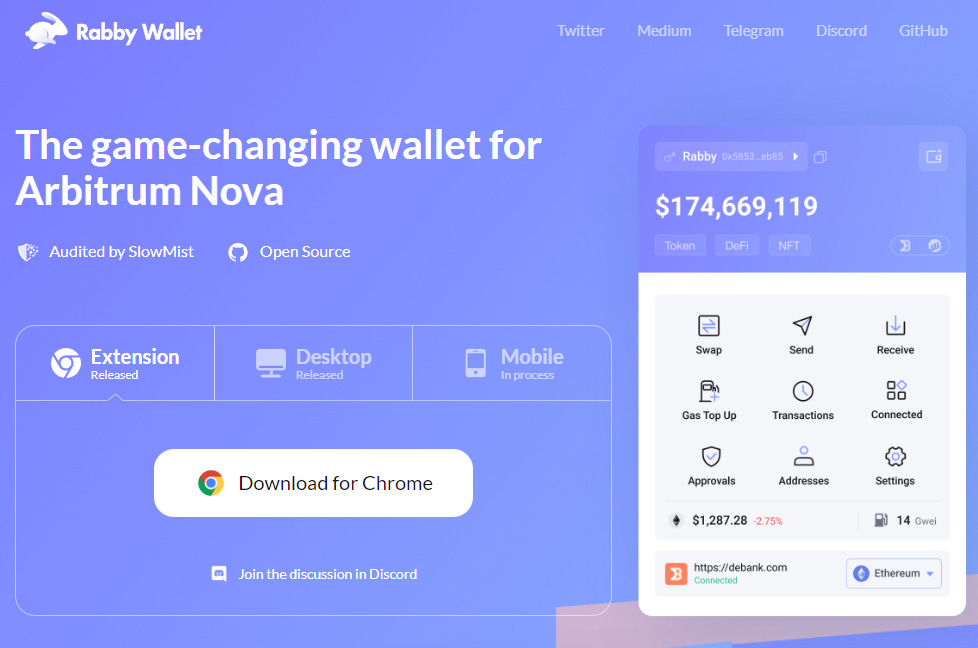
I tried Rabby during a frantic weekend of NFT trades and cross-chain swaps. Whoa! At first the UI felt familiar and friendly, but more importantly the transaction breakdowns caught things I would have missed. On the technical side Rabby surfaces allowance changes and meta-transactions in ways that make sense, and that helped me avoid a costly approval mistake that would have cost real ETH. Initially I thought it was just another wallet, but then realized its transaction protections actually reduce cognitive load when you're managing multiple chains and dApps.

Rabby wallet extension showing a transaction preview and allowance controls

Why that little extra detail matters

Okay, so check this out—when a wallet tells you exactly what a contract will spend, you react differently. rabby wallet does that in a way that feels deliberate and readable rather than verbose and technical. Two things happen: you pause, and you either reduce the approval scope or refuse a suspicious call; both outcomes are wins for safety. I'm biased, but I prefer that pause over a shiny dashboard that encourages rapid-fire signing. For anyone who trades often or interacts with unfamiliar contracts, that pause saves you from a lot of headaches.

On features: Rabby supports multiple accounts and chain switching without re-importing keys. Whoa! Multi-chain flows used to be a mess across extensions, and gas estimation sometimes lied to me. The wallet's approach to per-contract approvals and a clear allowance UI reduces accidental exposure, though it isn't a cure-all. Also, the extension lets you pin certain origins and view past approvals in a timeline, which is surprisingly helpful when tracking down which dApp drained funds (oh, and by the way... that happened to a friend).

Security hygiene still matters; no wallet replaces good habits. Wow! Always use a strong password and back up your seed phrase off-line in multiple places. If you can, use a hardware wallet with the extension as a companion, because signing on-device is materially safer than exposing private keys to a browser context. On one hand, browser extensions need permissions to interact with sites; on the other hand, minimizing approvals and locking down scopes reduces your attack surface dramatically.

I'll be honest—I am not 100% sure every feature in every update is perfect, and occasionally the UX has small quirks that annoy me. Really? Still, the practical trade-offs favor clarity and control over flashy analytics. My working rule is simple: treat an extension wallet like a power tool; respect it, learn it, and keep it in a secure place. Initially I thought a single seed was enough, but redundancy and hardware layers are better for long-term holdings.

So what's the takeaway if you're a regular DeFi user in the US or anywhere else? Whoa! Don't just chase the biggest brand name or the cleanest charting features. Look for wallets that make signing decisions transparent, that give you control over allowances, and that play well with hardware devices. I'm biased toward wallets that teach you to be careful without being patronizing, and I think you'll notice the difference once you stop signing on autopilot.

Common questions about using a browser extension wallet

Is a browser extension wallet safe for daily DeFi use?

Yes, when used with caution. Use hardware wallet integration for large balances, limit token approvals, and regularly review allowances. Also keep your browser and extension updated.

Should I import the same seed across multiple devices?

It's convenient but increases risk; instead use separate accounts for different risk profiles and prefer read-only setups for monitoring. If you must import, make sure backups are secure and never store seeds online.

How do I spot a malicious transaction?

Look for approval amounts that are "infinite", unfamiliar contract names, or transfers to unknown addresses. If the wallet shows calldata, read it or ask someone; if it feels off, cancel and investigate.

Seed Phrases, DeFi, and the Paranoid Art of Keeping Crypto Yours

Post by

Mid-thought: your seed phrase is like the last key to an old safe that no one remembers locking. Whoa! You know the feeling—cold, a little sick, because you realize that a string of words controls something worth real money. My instinct said treat it like a nuclear code. But actually, wait—let me rephrase that: treat it like a family heirloom you absolutely cannot lose or expose. This piece is messy, honest, and practical. It'll skip some handholding and get to the point.

Short story first. I once watched a friend almost throw away a notebook that had his 12-word phrase scribbled in the margins. Seriously? That day stuck with me. Hmm... something felt off about how casual people can be with this stuff. On one hand, the mantra "not your keys, not your coins" is everywhere; though actually, people treat seeds like digital confetti. Initially I thought education alone would fix this. Then reality hit: human error and incentives beat tutorials every time.

Let's talk reality. Seed phrases are single points of failure. Short sentence. They are portable, simple, and terrifyingly fragile. If someone copies your phrase, they can empty every wallet derived from it. At the same time, users want convenience—access across phones, desktops, DeFi apps—so they reuse, sync, and sometimes paste their seed into sketchy tools. That's how hacks happen. Okay, so check this out—backups are as much about process as tools. You need a repeatable, testable ritual.

What does a repeatable ritual look like? First, an air-gapped initial setup. Second, multiple backups in different forms. Third, the ability to recover without relying on a single person. Fourth, testing the recovery. Short. Then a caveat: no system is perfect. You'll make trade-offs between resilience, privacy, and ease. I'm biased, but I favor metal backups for long-term storage. They survive fire, water, and clumsy roommates.

Here’s a practical stack I use and recommend in the wild. Use a hardware wallet for key custody. Use a metal plate or stamped metal for the seed. Store copies in geographically separated, discreet locations. Consider Shamir backup or multisig for larger holdings. Keep a decoy plan if you're in a high-risk situation. These steps look obvious on paper. In practice, coordinating them is messy, and you will forget one of the steps at some point—very very human.

A metal seed backup plate with stamped BIP39 words, half-buried in a drawer

How DeFi changes the game

DeFi isn't just about sending tokens. It's about granting approvals, interacting with smart contracts, and sometimes exposing your account when you sign a malicious transaction. Whoa! That one catches people. Your hardware wallet isolates keys, but contract logic and approvals are another layer of risk. Initially I thought signing was safe so long as a hardware device confirmed it. But then I realized that users often blindly approve permissions that allow unlimited token transfers. My working-through thought was: on one hand hardware wallets provide signature guarantees, though actually the approval model itself is a permission slip you must manage.

Practical habits for DeFi interactions: use a dedicated wallet address for high-exposure activities like yield farming; keep savings in a different address that rarely signs transactions. Use time-limited or amount-limited approvals when available. Regularly review and revoke approvals. And use trusted UIs—or if you can, interact directly with verified contracts through Etherscan-like interfaces. This is tedious. But tedious beats "gone" and I mean that literally.

There are tools to help automate safety. Some wallets and companion apps let you view transaction details before signing and show which contract functions are being called. Others provide built-in checks against known scam addresses. It's not perfect though. Contract obfuscation and new scam vectors appear daily. So keep a mental buffer—assume one interaction could be malicious, and build habits around minimizing that risk.

Where hardware wallets fit in — and one handy link

Hardware wallets should be the center of your custody model because they keep private keys offline and require physical interaction to sign. Short. They don't stop social engineering, phishing sites, or scams that trick you into giving up a seed. But they do make remote exfiltration far harder. If you want a practical entry point to hardware wallet ecosystems, check out ledger—not as an ad, but because their software ecosystem illustrates how hardware + companion apps can smooth the UX while preserving security. Caveat: use official downloads and verify signatures. No shortcuts.

Also consider multisig for meaningful sums. Multisig splits trust across devices or people, making single-point failures less catastrophic. It complicates recovery though. Your legal and local context matters here—if you lose one signer, do you have a plan? If a cosigner is coerced, what then? These are uncomfortable questions. Ask them anyway.

Passphrases add a stealth layer. A passphrase combined with a seed effectively makes a new wallet. Great for privacy. Dangerous if you forget it. Seriously. Write it down as reliably as the seed, and treat it with the same protections. I use a mnemonic: metal plate for seed, separate metal for passphrase word or phrase fragment, stored in distinct locations. It sounds extreme. It works.

One more thing about backups. Test them. People assume their backups are good until they need them. Then the panic sets in. Test recovery on a clean device or a simulator using a throwaway account first. Short. This habit will save you sleepless nights.

FAQs about seeds, DeFi, and security

What if I lose my seed phrase?

Recover from any backup you made. If you have none, consider social recovery only as a last resort; it's complex and often costly. Honestly, there's no magic — lost seed, lost funds, most of the time. Somethin' to remember.

Are passphrases necessary?

They're optional but powerful. They act like a second password for your seed. Use one if you can keep it secret and recoverable. I'm not 100% sure this is for everyone, but for larger amounts it's worth the friction.

Can I store my seed digitally (encrypted)?

You can, but it's risky. Encrypted files can be exfiltrated, and passwords brute-forced if weak. If you go digital, combine strong encryption, air-gapped generation, and offline storage. Still, physical metal backups are the most resilient.

Final note: security is a practice, not a product. Short. Expect to iterate. Your first method will have flaws. Learn, patch, and simplify where possible. I'm biased toward redundancy and testing because I've seen both carelessness and near-misses. This part bugs me: people treat crypto like casual app data. It's not. Treat it like something you would protect from a determined intruder, because sometimes the bad actors are very determined. And yeah—check your backups twice, then again, then store a copy somewhere you can actually find months from now...

Why Smart Pool Tokens and Weighted Pools Matter for Yield Farmers

Post by

Whoa!

I got into DeFi because the promise was intoxicating. Seriously, it felt like the Wild West at first. My instinct said: somethin' big is coming, and I was right. Initially I thought automated market makers were just clever code, but then realized they changed incentives across whole ecosystems, altering how liquidity is created and rewarded.

Here's the thing. Hmm... smart pool tokens are one of those innovations that quietly rewires yield strategies. They let you package complex pool rules into a tradable token. On one hand that simplifies composition and capital efficiency; though actually, behind that simplicity sits subtle governance and impermanent loss tradeoffs that many people ignore.

Really?

Yes. Smart pools let you customize things like swap fees, weight curves, and rebalancing mechanics. Medium-weight pools, stable pools, even dynamic-weight pools live under the same conceptual roof. Those knobs change how liquidity providers earn fees and how arbitrage shapes price slippage over time, and if you misprice those knobs you can lose yield to better designed pools.

Okay—check this out—

Weighted pools are the backbone of many smart pool designs. They allow non-50/50 asset ratios, so you can have a 70/30 ETH/USDC pool or a 10/90 token/USDC pool, depending on risk appetite. That changes both protocol-level exposure and how yield farming incentives should be distributed, because rewards interact with the pool's weighting to favor or penalize certain liquidity configurations when traders rebalance against arbitrageurs.

Whoa!

Yield farming looks simple on social feeds. Provide liquidity. Stake LP tokens. Collect emissions. But the nuance is in the token that represents the LP share. Smart pool tokens can embed management logic: they might auto-compound fees, change weight according to oracles, or gate swaps during volatility. I'm biased, but that automation is both powerful and dangerous if you don't understand the rule set.

Seriously?

Absolutely. Imagine a smart pool token that rebalances based on a moving price average. That behavior reduces drift but increases on-chain activity, raising gas costs that eat into returns for small LPs. Initially I thought automation always improved outcomes, but then realized gas friction and front-running change the calculus for everyday users. Actually, wait—let me rephrase that: automation improves certain metrics while worsening others, and the winning design depends on your horizon and ticket size.

Hmm...

Weighted pools influence impermanent loss dynamics directly. A 90/10 pool resists drift of the dominant asset, while a 50/50 pool offers symmetrical exposure. Traders arbitrage price differences and shift the pool composition; rewards from yield programs then attempt to offset that drift. On one hand that can subsidize LPs willing to take asymmetric exposure; on the other hand, poorly thought-out incentives create gaming opportunities for bots and speculators.

Here's the thing. I learned that by doing, not just reading. I added liquidity to a weighted pool with attractive emissions and then watched fees evaporate under slippage and rebalancing events—ugh, that part bugs me. My first impression was optimism, but the second week taught me about timing, gas, and how small pools can be pulverized by large trades. There's a lesson there: design and capital scale matter as much as the headline APY.

Whoa!

Smart pool tokens also change composability. You can wrap one smart pool token into another strategy, tokenize rebalanced exposure, or use them as collateral in lending markets. This creates layered leverage possibilities that are beautiful architecturally and fragile economically. On one hand you get elegant modularity; though actually, cross-contract risk multiplies failure modes—oracle errors, flawed math, or permissioned upgrades can cascade.

Really?

Yes, and that cascade effect is why reviewing pool code and governance processes is crucial. Check who can change fee parameters, whether weights are dynamic, and how upgrades are applied. If governance can tweak the pool in ways that dilute LPs or shift fees to insiders, the so-called yield can be illusory. I'm not 100% sure about future standardization, but right now variance is high and audits matter.

Okay, so what practical steps help a yield farmer decide?

Step one: read the pool's parameter set. Step two: simulate a few trade scenarios to estimate slippage and fee income. Step three: model incentives—how much of emissions offset expected impermanent loss for your holding period. On one hand you can rely on third-party dashboards; though actually, those tools sometimes omit protocol-specific quirks, so doing a quick spreadsheet check is still worth it.

Check this out—

Dashboard screenshot showing weighted pool composition and fees

Step four: consider ticket size relative to gas. Automation benefits large providers more, because frequent rebalancing and compounding are costly for tiny positions. Step five: mental stress-test the pool—what happens at a 30% price swing? 60%? If your strategy collapses after routine volatility, that yield was probably lunch for someone else.

Where to learn more and a practical resource

If you want a place to start with smart pools and official docs, I recommend checking a credible source that aggregates protocol info and governance notices: https://sites.google.com/cryptowalletuk.com/balancer-official-site/ —it's handy for seeing parameter changes and historical pool tweaks without hunting through fragmented channels.

I'll be honest: some of this feels messy. There are trade-offs at every level—simplicity vs control, automation vs transparency. My gut said simpler is safer, but experience nudged me toward nuanced control when I had the time to monitor positions. On the flip side, if you only can check your positions once a week, over-automated pools might be a better fit because they do the micro-management for you.

Here's what bugs me about how the narrative often unfolds—

APYs get shouted as if higher numbers equal better design. They don't. A 100% APY in a tiny, concentrated weighted pool is not the same as 20% in a blue-chip, highly liquid pool. Liquidity depth, impermanent loss risk, and the emission schedule all convert that APY into real expected returns in very different ways. So yes, read the fine print, and sim, sim, sim.

FAQ

What is a smart pool token?

A smart pool token is a tradable representation of a position in a customizable liquidity pool that can contain embedded logic—things like dynamic weights, auto-compounding, or custom fee rules. It lets strategies be packaged and reused, which increases composability but also requires scrutiny of the embedded rules and governance controls.

How do weighted pools change yield farming?

Weighted pools let you skew exposure away from 50/50 splits, which alters impermanent loss and fee capture dynamics. That changes which tokens you want to provide and how protocols should allocate emission rewards to fairly compensate LPs for the risk they bear.

Polymarket : ce que la plupart des utilisateurs pensent mal (et comment se connecter en toute conscience)

Post by

Un malentendu répandu parmi les francophones est que Polymarket n’est qu’un "site de paris" transposé sur la blockchain. Cette réduction rate la mécanique fondamentale : Polymarket est une place de marché prédictive qui transforme des opinions collectives en prix salés par la mécanique du marché, et ces prix peuvent signaler des probabilités agrégées sur des événements réels. Comprendre comment et pourquoi ces prix bougent, et quelles limites réglementaires et techniques pèsent sur leur interprétation, change complètement la façon de se connecter et d’utiliser la plateforme.

Dans cet article je décris, à partir d’une situation concrète — l’inscription et la connexion en tant qu’utilisateur francophone depuis France, Suisse, Belgique ou Québec — comment fonctionne Polymarket, quels compromis opère la plateforme entre liquidité, coût et gouvernance, et quelles précautions adopter avant d’entrer des fonds ou de tirer des conclusions des prix affichés.

Logo de Polymarket; utile pour repérer l'interface officielle et confirmer l'authenticité lors de la connexion

Cas concret : se connecter à Polymarket depuis la zone francophone

Imaginons Léa, utilisatrice en France qui veut tester Polymarket sans se tromper d’interface ni d’adresse. Première étape pratique : vérifier que vous êtes sur la plateforme officielle avant d’initier une connexion ou un dépôt. Pour un point d’entrée utile et pédagogique, voyez le lien de référence suivant pour la polymarket connexion — il guide vers un point d'information destiné aux utilisateurs d’extensions de portefeuille. Le chemin exact vers l’interface de trading comporte deux décisions techniques : se connecter en "guest" (invité) ou relier un wallet (portefeuille) Web3.

Connexion en invité : utile pour découvrir les marchés sans autoriser des mouvements de fonds, mais limitée : vous ne pourrez pas acheter ou vendre des parts. C’est une option pédagogique pertinente pour les débutants francophones qui veulent observer la profondeur des marchés, les spreads et l’évolution des prix sans risque financier.

Connexion via wallet : pour trader, il faudra relier un portefeuille compatible (par exemple MetaMask ou portefeuille hardware). Cette méthode donne le contrôle des fonds mais introduit des responsabilités : approbations de contrats intelligents, frais de transactions, et exigence de bonne hygiène de sécurité (seed phrases, phishing, vérification d’URL). En Suisse ou au Canada, où la méfiance envers la centralisation est forte, beaucoup préfèreront cette méthode; en France et Belgique, l’attention réglementaire pousse certains utilisateurs à privilégier des montants modestes et une vérification rigoureuse des sources de liquidité.

Comment Polymarket fonctionne — mécanique et limites

Polymarket construit des marchés sous forme de contrats binaires (ou multi-issue) où le "prix" reflète une probabilité implicite pour un événement. Mécaniquement, l’offre et la demande d’unités de marché déplacent le prix, tout comme sur un marché d’actions. Mais deux différences clés changent l’interprétation : l’absence fréquente d’arbitrage institutionnel large (ce qui rend les prix plus sensibles à des mouvements de détail) et la dépendance aux liquidités disponibles. Autrement dit, un prix peut fluctuer beaucoup plus qu’une probabilité "objective" parce que quelques opérations peuvent pousser le marché.

Limitation essentielle : l’existence d’un prix ne garantit pas que le marché soit informé ou impartial. Les marchés prédictifs sont performants dans l’agrégation d’informations distribuées quand il y a participation diversifiée, incitations à parier correctement, et liquidité suffisante. Quand ces conditions ne sont pas remplies — faible participation régionale, côté francophone limité, ou temporalité d’un événement très longue — le signal est faible et potentiellement biaisé.

Un autre point souvent méconnu : l’incertitude juridique et fiscale. Les règles varient fortement entre FR, CH, BE, CA. Selon le pays, les gains issus de marchés prédictifs peuvent être considérés comme revenus, gains en capital, ou activité de jeu, avec obligations différentes de déclaration. Ne jamais présumer d’une neutralité réglementaire ; vérifiez la situation locale avant d’opérer des montants non négligeables.

Trois compromis concrets à comprendre

1) Liquidité vs coût : Les marchés larges attirent plus de traders et fournissent de meilleurs prix, mais les fournisseurs de liquidité demandent souvent des incitations (frais réduits, récompenses). Pour un utilisateur francophone, commencer sur marchés à faible ticket permet d’apprendre, mais affecte la précision du signal.

2) Simplicité vs contrôle : Utiliser Polymarket en invité est sans risque mais sans effet. Connecter un wallet donne pouvoir et responsabilité — meilleur contrôle, mais exposition aux erreurs humaines et aux frais gas sur blockchain. En Suisse, beaucoup privilégient wallets hardware pour limiter l’exfiltration des clés privées.

3) Rapidité vs robustesse informationnelle : Les marchés qui se forment autour d’événements à court terme (résultats électoraux rapides) réagissent vite mais peuvent être sur-réactifs. Les marchés long terme peuvent mieux agréger données, mais rester illiquides et vulnérables aux chocs d’opinion concentrés.

Un cadre décisionnel simple pour l’utilisateur

Avant de se connecter ou d’investir, posez-vous ces trois questions : 1) Pourquoi j’entre sur ce marché — information, spéculation, hedging ? 2) Quelle somme suis-je prêt à perdre sans affecter mon budget ? 3) Ai-je une stratégie de sortie et une méthode pour vérifier l’authenticité de la plateforme (URL, logo, source officielle) ? Une règle de base utile : commencez par observer en invité, ensuite testez avec une petite transaction, puis élargissez si vous comprenez la dynamique de liquidité et les frais.

Une heuristique pratique pour décider d’une mise : n’allouez jamais plus que ce que vous êtes prêt à perdre pour apprendre. Les marchés prédictifs sont des moteurs d’information, pas des comptes d’épargne. En outre, documentez vos propres trades : noter pourquoi vous avez parié de telle manière aide à distinguer signal réel et effet de mode.

Que surveiller dans les prochains mois

Sans nouvelles de la semaine récente, les signaux à suivre restent structurels : évolution de la liquidité (plus d’allocations des teneurs de marché améliore la qualité des prix), changements réglementaires dans l’UE ou au Canada qui pourraient restreindre l’accès, et adoption de solutions de couche 2 pour réduire les coûts de transaction. Chacun de ces éléments influence l’expérience utilisateur francophone : réduction des frais rendra la plateforme plus attractive pour des mises faibles, tandis que des restrictions réglementaires pourraient complexifier la vérification KYC et la fiscalité.

Conditionnellement, si la plateforme attire plus d’acteurs institutionnels européens, on pourrait voir une réduction de la volatilité prix/volume et une meilleure fiabilité des signaux. Inversement, une volatilité réglementaire accrue pourrait pousser une partie de l’activité vers marchés non régulés ou alternatifs, creusant des silos d’information.

FAQ

Comment vérifier que je suis bien sur le site officiel avant de me connecter ?

Vérifiez l’URL dans la barre d’adresse, confirmez le logo et comparez avec des sources fiables. Pour un point de départ pédagogique, vous pouvez consulter la page de polymarket connexion qui aide à repérer les liens et les ressources d’extension de portefeuille. Évitez les liens reçus par message non sollicité et testez d’abord en "guest".

Est-ce que je dois déclarer mes gains en France, Suisse, Belgique ou Canada ?

La réponse dépend du statut fiscal local : gains en capital, revenus ou gains de jeu sont traités différemment. Il est prudent de conserver des traces de vos transactions et de consulter un conseiller fiscal local avant de considérer des montants significatifs.

Quelle est la meilleure stratégie pour un débutant francophone ?

Commencez en mode invité pour observer ; sécurisez un wallet si vous comptez trader ; testez des ordres faibles pour comprendre les frais et la profondeur ; documentez vos décisions. Privilégiez l’apprentissage progressif plutôt que les mises importantes dès le départ.

Les prix sur Polymarket reflètent-ils toujours la "vérité" sur un événement ?

Non. Les prix reflètent l'opinion agrégée des participants et la liquidité. Ils peuvent être informatifs mais aussi biaisés par participation inégale, manipulations temporaires, ou manque de données. Traitez les prix comme un signal parmi d’autres, pas comme une certitude.

Konto firmowe w Santander: praktyczny przewodnik po ibiznes24 — logowanie, bezpieczeństwo i najczęstsze problemy

Post by

Wow! Zaczynasz dzień od przelewów i nagle — bum — nie możesz się zalogować. Hmm... brzmi znajomo? Mnie to się zdarzyło kilka razy. Początkowo myślałem, że to wina mojego laptopa, ale potem zorientowałem się, że problem bywa po stronie ustawień, przeglądarki albo… no cóż, phishingu. Właściwie, poczekaj — uściślę to: większość trudności da się rozwiązać szybko, jeśli wiesz gdzie spojrzeć i co sprawdzić.

Santander dla firm oferuje platformę ibiznes24, która — choć solidna — ma swoje niuanse. Na wstępie: zalogowanie zwykle wymaga trzech rzeczy — identyfikatora (NIP/PESEL/alias), hasła oraz potwierdzenia (kod SMS, aplikacja mobilna lub token sprzętowy). Proste. Ale życie jest mniej proste. Zdarza się, że nowe urządzenie, aktualizacja przeglądarki, albo restrykcje sieciowe (firma używa VPN-a, proxy albo zapory) blokują proces. Co robić? Spokojnie — krok po kroku wyjaśnię najbardziej praktyczne rozwiązania, z których korzystałem osobiście przy obsłudze kilku firm.

Najpierw parę szybkich rzeczy do sprawdzenia, zanim zrobisz panikę. Krótko: sprawdź URL, wyłącz VPN, włącz cookies, zaktualizuj przeglądarkę. Naprawdę. Seriously? Tak, serio. Jeśli to nie pomaga, zadzwoń do infolinii banku — czasami to jedyny szybki sposób.

Ekran logowania ibiznes24 — przykład, uwaga: nie używaj wrażliwych danych

Typowe problemy z logowaniem i jak je ogarnąć — ibiznes24 logowanie

Kiedy próbujesz ibiznes24 logowanie, napotykasz na kilka powtarzających się scenariuszy. Oto one: zapomniane hasło, zablokowany dostęp po kilku nieudanych próbach, problemy z autoryzacją (SMS nie przychodzi), oraz komplikacje przy logowaniu z nowych urządzeń. Moja praktyka pokazuje, że w 70% przypadków chodzi o proste ustawienia przeglądarki lub blokadę po stronie operatora sieci — ale są też bardziej złożone sytuacje, kiedy trzeba iść do oddziału lub posiłkować się infolinią.

Zapomniane hasło? Procedura resetu zwykle wymaga potwierdzenia tożsamości—może przez telefon albo w oddziale. Nie próbuj od razu resetować wszystkiego na raz. Hmm... mówię to z doświadczenia — zbyt gorączkowe zmiany potrafią jeszcze bardziej namieszać. Jeśli SMS-y nie dochodzą, sprawdź ustawienia telefonu, blokady operatora i czy numer w systemie jest aktualny. Czasami wystarczy jeden telefon do działu obsługi klienta, żeby odblokować konto w ciągu kilkunastu minut.

Co z bezpieczeństwem? Tu nie ma kompromisów. Używaj silnych, unikalnych haseł i dwustopniowej autoryzacji. Jeśli możesz, preferuj aplikację mobilną Santander lub token sprzętowy zamiast wyłącznie SMS-ów — są mniej podatne na przechwycenie. Ja jestem uprzedzony, ale osobiście wolę tokeny — są prostsze do audytu i mniej ryzykowne przy wymianie kart SIM (SIM swap). Nie jestem 100% pewny, że każdy właściciel firmy ma na to budżet, ale warto rozważyć.

Uwaga na phishing. Naprawdę. Przykłady: fałszywe maile z linkiem do „pilnego logowania”, SMSy z groźbą zablokowania konta — to klasyka. Zanim klikniesz, najpierw wpisz ręcznie adres banku albo skorzystaj z zaufanej aplikacji. Jeśli coś czuje się dziwnie — moje pierwsze wrażenie często mówi prawdę: „coś tu nie gra”. Zaufaj instynktowi, ale też weryfikuj fakty.

Organizacja dostępu w firmie — uprawnienia i dobre praktyki

Pracownicy potrzebują dostępu, ale nie od razu do wszystkiego. Podziel zadania: osoby księgowe do przelewów, menedżer do podpisów zbiorczych, junior do odczytu sald. W systemie Santander możesz nadawać role i limity; wykorzystaj to. Na jednym koncie nie ma sensu trzymać jednego superużytkownika, bo to centralny punkt awarii. Może zabrzmi to banalnie, ale naprawdę — rozdziel uprawnienia i loguj zmiany.

Audit jest twoim przyjacielem. Regularne przeglądy uprawnień i logów operacji pokazują, kto co robił i kiedy. To nie jest tylko formalność dla banku czy księgowej. To realna kontrola nad ryzykiem. Czasami wystarczy prosty raport miesięczny, żeby wyłapać anomalie. Ja sprawdzam to co miesiąc. Często wychodzi coś, co bym wolał nie widzieć, ale lepiej wiedzieć niż żyć w błogiej nieświadomości.

FAQ — najczęściej zadawane pytania

Co zrobić, jeśli nie dochodzi kod SMS do logowania?

Sprawdź sygnał sieci, numery zapisane w banku i filtry SMS. Wyłącz tryb oszczędzania energii, który blokuje aplikacje na telefonie. Jeśli to nie pomaga, zadzwoń na infolinię Santander — czasem blokada jest po stronie operatora lub banku i wymaga resetu ręcznego.

Jak odblokować konto po wielokrotnym błędnym haśle?

Opcje są dwie: szybki telefon do obsługi lub wizyta w oddziale z dokumentem tożsamości. Bank może wymagać potwierdzenia właściciela firmy, więc warto mieć przygotowane pełnomocnictwa, jeśli nie loguje się właściciel. Cierpliwość pomaga — procedury są po to, by chronić firmę przed nadużyciami.

Ok, więc co zabrać ze sobą na koniec? Lista praktyczna: aktualne numery telefonów w banku, zapasowy sposób autoryzacji (token/aplikacja), jasno przypisane role w systemie i regularne kopie logów. I kawa. Zawsze kawa. (oh, and by the way...) Jeśli coś wydaje się dziwne, lepiej zmienić hasło i zgłosić sprawę. Może to być drobna niedogodność, albo wczesne ostrzeżenie o próbie oszustwa — nie lekceważ tego.

Na koniec — krótkie podsumowanie w kilku punktach: nie panikuj; sprawdź podstawy; używaj dwustopniowej autoryzacji; kontroluj uprawnienia; kontaktuj się z bankiem przy pierwszym podejrzeniu problemu. Jestem trochę biased, bo pracowałem z kilkoma przedsiębiorcami i widziałem wiele wariantów, ale to działa. Trochę cierpliwości, trochę porządku i konto firmowe w Santander może działać płynnie przez lata. A jeśli natrafisz na problem, który wygląda jak z innej planety — zapisz alerty i skontaktuj się szybko z bankiem. Lepiej dmuchać na zimne, niż później wyjaśniać straty...

LayerZero, Omnichain Design, and Why Stargate Feels Like the First Real Bridge for DeFi

Post by

Whoa! This whole cross-chain thing keeps getting more interesting. Really? Yes — and somethin' about Stargate makes it feel like a practical step rather than another experiment. My first impression was skepticism. Initially I thought bridges were just convenience layers. But then I dug into how LayerZero’s messaging and Stargate’s liquidity architecture actually work together, and things shifted.

Here's the thing. LayerZero provides a lightweight, generic messaging layer that moves authenticated messages across chains. Medium-level takeaway: it separates message delivery from validation by using an oracle + relayer model that passes proofs across endpoints. Longer thought: because LayerZero doesn't force a single validator set or centralized sequencer, apps can choose how to verify messages — that design lets builders trade off liveness, cost, and trust in clear, composable ways, which is huge for developers trying to stitch together cross-chain logic without surrendering composability.

Okay, so check this out—Stargate sits on top of LayerZero and focuses on native-asset liquidity transport. Short sentence. It moves native tokens across chains using a unified pool model. That is, instead of locking assets and minting wrappers on destination chains, Stargate maintains per-chain pools that let you redeem the same native asset on the other side. Medium: in practice that means a user can send USDC or ETH from Chain A to Chain B and receive actual USDC/ETH on B, not a wrapped IOU. Longer: the UX is simpler, smart contracts can compose with the received token immediately, and DeFi builders don't have to write bridging glue to handle different wrapped token standards across chains — so composability improves end-to-end.

My instinct said "simpler UX" would come with hidden tradeoffs. Hmm... and actually, wait — let me rephrase that: there are tradeoffs, but they’re explicit. On one hand, unified pools reduce the need for canonical wrapped assets. On the other, liquidity is finite and concentrated in those pools, so large transfers can impact slippage and pool balance. Also, because Stargate relies on LayerZero's cross-chain proofs, you still need to evaluate the trust assumptions around the oracle and relayer set chosen by a particular deployment. I'm not 100% sure everything will scale seamlessly, though the architecture is promising.

Diagram showing LayerZero messaging and Stargate's unified liquidity pools across blockchains

How LayerZero + Stargate Actually Work Together

This part's nerdy but worth it. Short. LayerZero provides an endpoint on each chain. Medium: when a contract on chain A wants to send a message (or value) to chain B, it packages the payload and sends it to the LayerZero endpoint, which then emits an off-chain event. Another participant — typically an oracle — observes the event and provides a proof to the endpoint on chain B, while a relayer pushes the transaction to deliver the message and the proof. Longer thought: the endpoint on chain B verifies the proof and authorizes the destination contract to execute the payload, so the originating intent is cryptographically represented rather than trusted implicitly.

Stargate builds on that by pairing LayerZero messaging with on-chain liquidity pools. Short again. The sender deposits native assets into a local pool. Medium: LayerZero carries the transfer intent and verifies it on the destination chain, where the matching pool releases the corresponding native asset. Longer: this swap-like flow means transfers are near-instant from the user perspective (finality depends on destination chain), and the liquidity pools absorb volume like an AMM would, so pricing and fees play the role of balancing demand across chains.

I'm biased, but I find that model cleaner than the wrap-mint paradigm. It reduces the number of token variants circulating across chains and keeps composability intact — contracts that expect the canonical token can receive it without extra unwrap logic. That part bugs me in older bridge designs: you end up chasing token variants all over the place and it gets messy fast (oh, and by the way... auditors hate that). Still, no free lunch — you pay in liquidity fragmentation risk, and you need active LPs willing to provide cross-chain depth.

FAQ

Is Stargate fully trustless?

Short answer: not absolutely. Medium: Stargate is trust-minimized relative to some custodial bridges because it uses LayerZero's proof-based messaging, but it still relies on configured oracle and relayer assumptions for message delivery and verification. Longer: evaluate the specific endpoint configurations, multisig protections, and timelocks in each deployment — like any system, smart contract risk and economic risk (LP withdrawal, slippage) remain.

How is "omnichain" different from "multichain"?

"Multichain" often means an app has separate deployments on many chains. Omnichain aims to make those deployments behave as a single logical app, with shared state and composability across chains. Short. Medium: that means a call can originate on chain A and trigger a functional change on chain B without making the user juggle different token standards. Longer: LayerZero's messaging primitives enable that seamlessness, and Stargate operationalizes asset movement within that omnichain ethos.

What are the main risks to watch?

Smart contract bugs. Liquidity depletion. Oracle/relayer compromise. Short. Medium: monitor audit history, bug-bounty coverage, and the economic incentives for relayers and LPs. Longer: consider operational risk too — governance changes, admin keys, or incentives that shift LP behavior can all change the effective security profile of cross-chain liquidity suddenly.

Okay, now some practical notes for builders and users. Short. If you’re a DeFi engineer, think about using Stargate where you need native-asset transfers that remain composable on the destination chain. Medium: that simplifies downstream contract logic and reduces user friction compared to wrapped-token flows. If you're a liquidity provider, realize you’re backing native settlement — you earn fees, but you also absorb cross-chain imbalances. Longer: design strategies for rebalancing and incentives (twinned incentives across chains, rebalance tools, or arbitrary vault strategies) — without careful planning, arbitrageurs will extract value and LPs might get squeezed.

Another practical point: test the UX across real wallets. Short. On the surface transfers are simple; under the hood users might still need to wait for destination finality. Medium: chains with slower finality mean longer perceived transfer times, and front-end design should clearly communicate that to avoid panic or duplicate sends. Longer: good UX reduces user error, which in bridges is one of the most underrated attack surfaces — people making bad decisions is an operational hazard as much as any exploit.

For more details and the official overview, check this resource: https://sites.google.com/cryptowalletextensionus.com/stargate-finance-official-site/. Short. It’s a clear walkthrough of their docs and design choices. Medium: read it alongside security reviews and community write-ups to form an informed view. Longer: combine reading with small, controlled test transfers before routing large capital through any bridge — and remember, even well-architected systems can fail under stress or unexpected game-theory dynamics.

Final thought — and I'm ending with a little honesty: I’m optimistic but cautious. Short. Cross-chain design has come a long way. Medium: LayerZero plus Stargate is one of the cleaner approaches to achieving omnichain composability without multiplying token variants. Longer: still, watch liquidity, governance, and proof models closely; treat bridges as complex financial infrastructure, not convenience buttons. There's promise here, but the space will keep evolving, and we should expect surprises — some good, some messy...

Funcionamiento actual de los casinos con criptomonedas en España

Post by

Cómo funcionan los casinos con criptomonedas en España actualmente

La creciente popularidad de las plataformas de juegos que aceptan criptomonedas ha traído consigo un cambio notable en la experiencia de los apostadores. El uso de Bitcoin para depósitos permite transacciones instantáneas, con tiempos de confirmación que superan a los modelos tradicionales. Esto se traduce en una accesibilidad única y una comodidad que es difícil de igualar.

La volatilidad de los precios en criptomonedas plantea retos y oportunidades para los jugadores. Las tasas de red normalmente bajas y las comisiones también juegan un papel crucial, haciendo que la conversión de euros a activos digitales sea más asequible. Además, el anonimato relativo que ofrecen estas herramientas puede atraer a quienes prefieren mantener discretas sus actividades de juego.

Por otro lado, los procesos de KYC (Know Your Customer) en el ámbito crypto han evolucionado. Aunque algunos operadores continúan pidiendo información, otros permiten disfrutar de juegos con un grado de privacidad mayor, adaptándose a las demandas de un mercado que valora la seguridad y el anonimato. Además, es pertinente mencionar que siempre existe el riesgo asociado a los casino sin registro, por lo que los jugadores deben ser cautelosos al elegir dónde participar.

Legislación actual sobre plataformas de juego en línea y criptodivisas en España

La normativa en torno a las actividades de apuestas en línea que incluyen el uso de activos digitales exige que los operadores implementen procedimientos de KYC crypto (Know Your Customer) para verificar la identidad de los jugadores. Estos procesos se han vuelto fundamentales para prevenir fraudes y garantizar un entorno de juego seguro. Se espera que las plataformas adopten medidas que aseguren la transparencia y se alineen con las regulaciones financieras vigentes.

En cuanto a los depósitos en bitcoin, las plataformas han comenzado a aceptar este método de pago debido a las tasas de red más bajas y a la rapidez en las transacciones. Sin embargo, la volatilidad de precios de las criptomonedas sigue siendo un tema de debate, y los jugadores deben ser conscientes de que el valor de sus fondos puede fluctuar significativamente en cortos períodos de tiempo.

  • Las wallets digitales son cada vez más populares entre los apostadores, ofreciendo un nivel de anonimato relativo que muchos usuarios valoran.
  • Los tiempos de confirmación de las transacciones pueden variar; dependiendo de la congestión de la red, los depósitos y retiros pueden tardar desde unos minutos hasta varias horas.
  • Las plataformas deben proporcionar información clara sobre las comisiones que se aplican a cada transacción, permitiendo a los usuarios tomar decisiones más informadas.

El desarrollo de redes blockchain ha facilitado la creación de un ecosistema más transparente y seguro en el ámbito del juego digital. Sin embargo, el cumplimiento de las normativas locales sigue siendo un reto para muchos operadores que buscan integrarse en este mercado en expansión. Es esencial que tanto los jugadores como los proveedores se mantengan informados sobre las leyes que regulan estas actividades, ya que pueden variar en función de la jurisdicción.

Proceso de registro y verificación en plataformas de juego con activos digitales

El registro en estas plataformas suele ser ágil y simplificado, permitiendo a los usuarios iniciar sesión rápidamente. Es común que se solicite una dirección de correo electrónico y una contraseña, junto con la creación de un wallet digital para realizar transacciones. Es fundamental elegir una wallet que soporte múltiples monedas y que garantice la seguridad de sus activos.

Una vez registrado, el paso siguiente es la verificación de identidad. Este proceso, conocido como KYC crypto, busca asegurar la transparencia y la seguridad en las transacciones. Los usuarios deben enviar documentos como identificación y comprobante de residencia. Aunque esto pueda parecer un inconveniente, ayuda a mantener un entorno más seguro, especialmente en ámbitos donde el anonimato relativo puede ser atractivo.

Un punto a considerar es que los tiempos de confirmación varían dependiendo de la red blockchain utilizada. Por ejemplo, las transacciones de bitcoin suelen ser rápidas, pero en ocasiones, la congestión de la red puede generar retrasos. Por lo tanto, es recomendable estar al tanto de las tasas red antes de realizar depósitos o retiros.

La conversión de euros a activos digitales es un proceso sencillo, que se puede llevar a cabo directamente en la plataforma o a través de exchanges externos. Es vital seguir las tasas de conversión actuales, ya que la volatilidad precios puede afectar el monto final recibido. El conocimiento del mercado ayudará a tomar decisiones más informadas.

Algunos jugadores prefieren hacer depósitos en bitcoin debido a la eficiencia y la seguridad de estas transacciones. Sin embargo, no se debe olvidar que la elección de la criptomoneda influye en las tasas que se aplican durante el proceso. Informarse sobre esto puede evitar sorpresas desagradables.

Finalmente, es crucial asegurarse de que cualquier plataforma elegida sea confiable y cumpla con las normativas pertinentes. La integración de medidas de seguridad robustas y un servicio al cliente adecuado son factores determinantes para una experiencia de juego satisfactoria y sin contratiempos.

Métodos de depósito y retiro utilizando criptomonedas

Para realizar depósitos en plataformas de azar online, los jugadores pueden optar por bitcoin, que permite a los usuarios disfrutar de un anonimato relativo. Este método ofrece conversión de euros a criptomonedas con comisiones bajas, facilitando así las transacciones entre las wallets digitales. Adicionalmente, los tiempos de confirmación en las redes blockchain son generalmente rápidos, permitiendo que los depósitos sean procesados en cuestión de minutos.

Los retiros también pueden realizarse mediante bitcoin, lo que brinda una alta eficiencia en la recepción de fondos. No obstante, es crucial considerar la volatilidad de precios que pueden afectar la cantidad recibida, dependiendo del momento de la transacción. Para garantizar una experiencia positiva, es recomendable asegurarse de utilizar wallets que ofrezcan soporte para múltiples criptomonedas y métodos de seguridad robustos.

Método Tipo de transacción Tasas red Tiempo de confirmación
Bitcoin Depósito Bajas 5-30 min
Bitcoin Retiro Bajas 10-60 min

Ventajas y desventajas de jugar en plataformas de juego con criptomonedas

Una de las principales ventajas de participar en este tipo de plataformas es la posibilidad de realizar bitcoin depósitos, que permiten transacciones rápidas y seguras. Al utilizar redes blockchain, los usuarios pueden disfrutar de comisiones bajas en comparación con métodos de pago tradicionales. Esto resulta atractivo para aquellos que buscan maximizar su bankroll y minimizar gastos en cada apuesta.

Sin embargo, los jugadores deben ser conscientes de la volatilidad precios de las criptomonedas. Aunque el uso de activos digitales puede ofrecer oportunidades de ganancias significativas, también conlleva riesgos, ya que los valores pueden fluctuar drásticamente en cortos periodos. Este factor puede afectar la conversión euros a criptomonedas y viceversa, impactando cualquier inversión inicial.

El anonimato relativo que permiten estas plataformas es un atractivo considerable. La mayoría de las plataformas requieren información mínima debido a procesos menos estrictos, lo que contrasta con el famoso KYC crypto que utilizan muchas entidades tradicionales. Esto puede ser ventajoso para aquellos que valoran su privacidad al participar en investigaciones o apuestas.

A pesar de las ventajas, también hay desafíos como las tasas red que pueden variar y los tiempos confirmación que no siempre son inmediatos. Esto puede ocasionar frustración, especialmente para los jugadores que desean realizar transacciones rápidas. Es vital sopesar estos factores antes de sumergirse por completo en el uso de criptomonedas en el ámbito del entretenimiento digital.

Preguntas y respuestas:

¿Cuáles son las ventajas de jugar en casinos que aceptan criptomonedas en España?

Los casinos que aceptan criptomonedas ofrecen varias ventajas para los jugadores en España. En primer lugar, las transacciones con criptomonedas suelen ser más rápidas que las transferencias bancarias tradicionales, lo que permite a los jugadores depositar y retirar fondos con mayor facilidad. Además, el uso de criptomonedas puede proporcionar un nivel adicional de anonimato, ya que muchas de ellas no requieren que se divulgue información personal. También, la posibilidad de bonificaciones especiales por usar criptomonedas puede ser un atractivo adicional para los jugadores.

¿Es legal jugar en casinos en línea con criptomonedas en España?

Sí, jugar en casinos en línea que aceptan criptomonedas es legal en España, siempre y cuando el casino tenga la licencia adecuada. La legislación española regula los juegos de azar en línea y permitir que los casinos operen legalmente si cumplen con los requisitos establecidos. Sin embargo, es importante que los jugadores verifiquen que el casino esté debidamente licenciado para asegurarse de que su experiencia de juego sea segura y justa.

¿Qué criptomonedas son las más aceptadas en los casinos en línea en España?

En los casinos en línea en España, las criptomonedas más comúnmente aceptadas son Bitcoin, Ethereum y Litecoin. Algunas plataformas también pueden aceptar criptomonedas menos conocidas, pero estas tres tienden a ser las más populares debido a su alta liquidez y aceptación generalizada. Al seleccionar un casino, es recomendable revisar los métodos de pago disponibles para asegurarse de que se ofrezca la criptomoneda de su preferencia.

¿Cómo garantizan los casinos con criptomonedas la seguridad de los jugadores en España?

Los casinos que aceptan criptomonedas suelen implementar múltiples medidas de seguridad para proteger la información y los fondos de los jugadores. Estas pueden incluir el uso de tecnología de cifrado avanzada para proteger las transacciones, además de auditorías regulares por parte de terceros para asegurar la integridad de sus juegos. También pueden ofrecer autenticación de dos factores para que los jugadores refuercen la seguridad de sus cuentas. Es importante que los jugadores investiguen las políticas de seguridad del casino antes de registrarse.

Back to Top