
Why I moved my crypto to a smarter browser extension — and why Rabby stuck
Okay, so check this out—I’ve been juggling wallets for years now and somethin’ about the extension wallets always nagged me. Whoa! The first impression was: clunky UI, risky permissions, and too many blind clicks when signing transactions. Initially I thought all wallets were basically the same, but then I noticed tiny UX differences that change how often you make mistakes. That realization made me re-evaluate what I use daily and why it matters for real money.
Seriously? Browser wallets can feel like carrying cash in your back pocket. Hmm… Most people pick convenience over security because they want to trade fast, not read every prompt. On the other hand, some extensions add helpful friction and clear previews, which actually reduce losses in the long run, though it can be annoying at first (especially if you’re in a hurry). My instinct said: safety first, but usability matters too.
Here’s what bugs me about many popular extensions — they hide what matters. Wow! They show a confirm button but not the full calldata in human terms. The result is that users tap through and sign approvals that give contracts unlimited spending rights, which is very very dangerous. After a few close calls I started testing wallets that emphasized clarity rather than just bells and whistles, and that is when things changed for me.
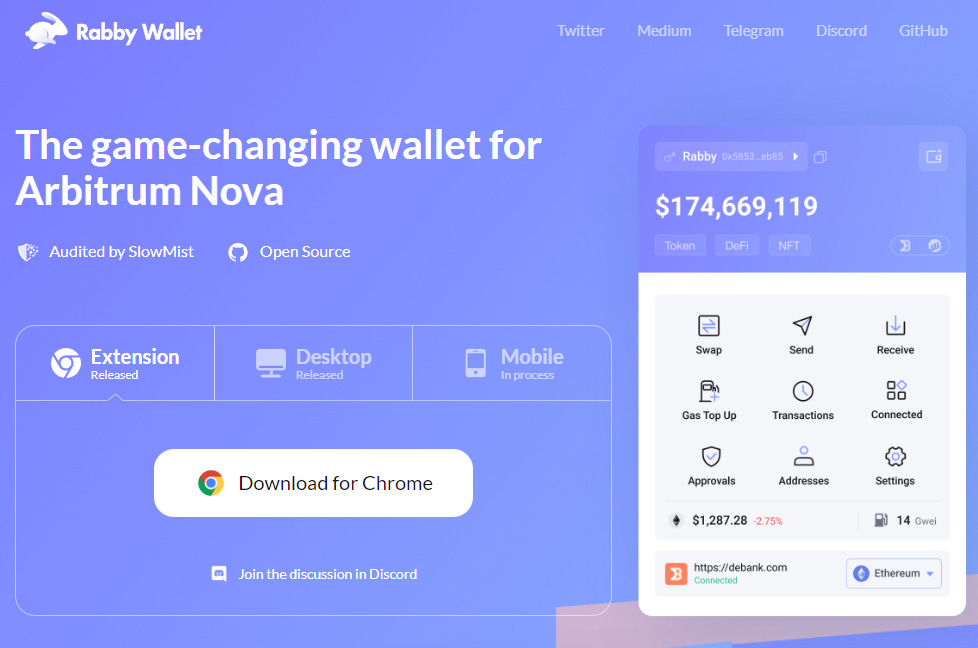
I tried Rabby during a frantic weekend of NFT trades and cross-chain swaps. Whoa! At first the UI felt familiar and friendly, but more importantly the transaction breakdowns caught things I would have missed. On the technical side Rabby surfaces allowance changes and meta-transactions in ways that make sense, and that helped me avoid a costly approval mistake that would have cost real ETH. Initially I thought it was just another wallet, but then realized its transaction protections actually reduce cognitive load when you’re managing multiple chains and dApps.
Why that little extra detail matters
Okay, so check this out—when a wallet tells you exactly what a contract will spend, you react differently. rabby wallet does that in a way that feels deliberate and readable rather than verbose and technical. Two things happen: you pause, and you either reduce the approval scope or refuse a suspicious call; both outcomes are wins for safety. I’m biased, but I prefer that pause over a shiny dashboard that encourages rapid-fire signing. For anyone who trades often or interacts with unfamiliar contracts, that pause saves you from a lot of headaches.
On features: Rabby supports multiple accounts and chain switching without re-importing keys. Whoa! Multi-chain flows used to be a mess across extensions, and gas estimation sometimes lied to me. The wallet’s approach to per-contract approvals and a clear allowance UI reduces accidental exposure, though it isn’t a cure-all. Also, the extension lets you pin certain origins and view past approvals in a timeline, which is surprisingly helpful when tracking down which dApp drained funds (oh, and by the way… that happened to a friend).
Security hygiene still matters; no wallet replaces good habits. Wow! Always use a strong password and back up your seed phrase off-line in multiple places. If you can, use a hardware wallet with the extension as a companion, because signing on-device is materially safer than exposing private keys to a browser context. On one hand, browser extensions need permissions to interact with sites; on the other hand, minimizing approvals and locking down scopes reduces your attack surface dramatically.
I’ll be honest—I am not 100% sure every feature in every update is perfect, and occasionally the UX has small quirks that annoy me. Really? Still, the practical trade-offs favor clarity and control over flashy analytics. My working rule is simple: treat an extension wallet like a power tool; respect it, learn it, and keep it in a secure place. Initially I thought a single seed was enough, but redundancy and hardware layers are better for long-term holdings.
So what’s the takeaway if you’re a regular DeFi user in the US or anywhere else? Whoa! Don’t just chase the biggest brand name or the cleanest charting features. Look for wallets that make signing decisions transparent, that give you control over allowances, and that play well with hardware devices. I’m biased toward wallets that teach you to be careful without being patronizing, and I think you’ll notice the difference once you stop signing on autopilot.
Common questions about using a browser extension wallet
Is a browser extension wallet safe for daily DeFi use?
Yes, when used with caution. Use hardware wallet integration for large balances, limit token approvals, and regularly review allowances. Also keep your browser and extension updated.
Should I import the same seed across multiple devices?
It’s convenient but increases risk; instead use separate accounts for different risk profiles and prefer read-only setups for monitoring. If you must import, make sure backups are secure and never store seeds online.
How do I spot a malicious transaction?
Look for approval amounts that are “infinite”, unfamiliar contract names, or transfers to unknown addresses. If the wallet shows calldata, read it or ask someone; if it feels off, cancel and investigate.
Leave a comment