
How I Track Solana: SOL Transactions, NFT Tracking, and Token Detective Work
Okay, so check this out—if you spend even a little time on Solana you quickly learn that raw on-chain data is messy and noisy. Whoa! It’s true. My instinct said “there has to be a better way” the first time I watched a pending SOL transfer sit weirdly in a mempool-like limbo. Initially I thought the network was broken, but then I realized my tooling was the real problem: I wasn’t looking in the right place, or I was misreading an explorer’s view.
Solana explorers turn that chaos into something you can actually read. Seriously? Yes. They let you follow SOL transactions end-to-end, track NFT mints and transfers, and watch token movement across wallets and programs. I’m biased, but a great explorer makes the difference between guessing and knowing—especially when you’re debugging a contract, verifying a marketplace sale, or auditing transfers for a client.
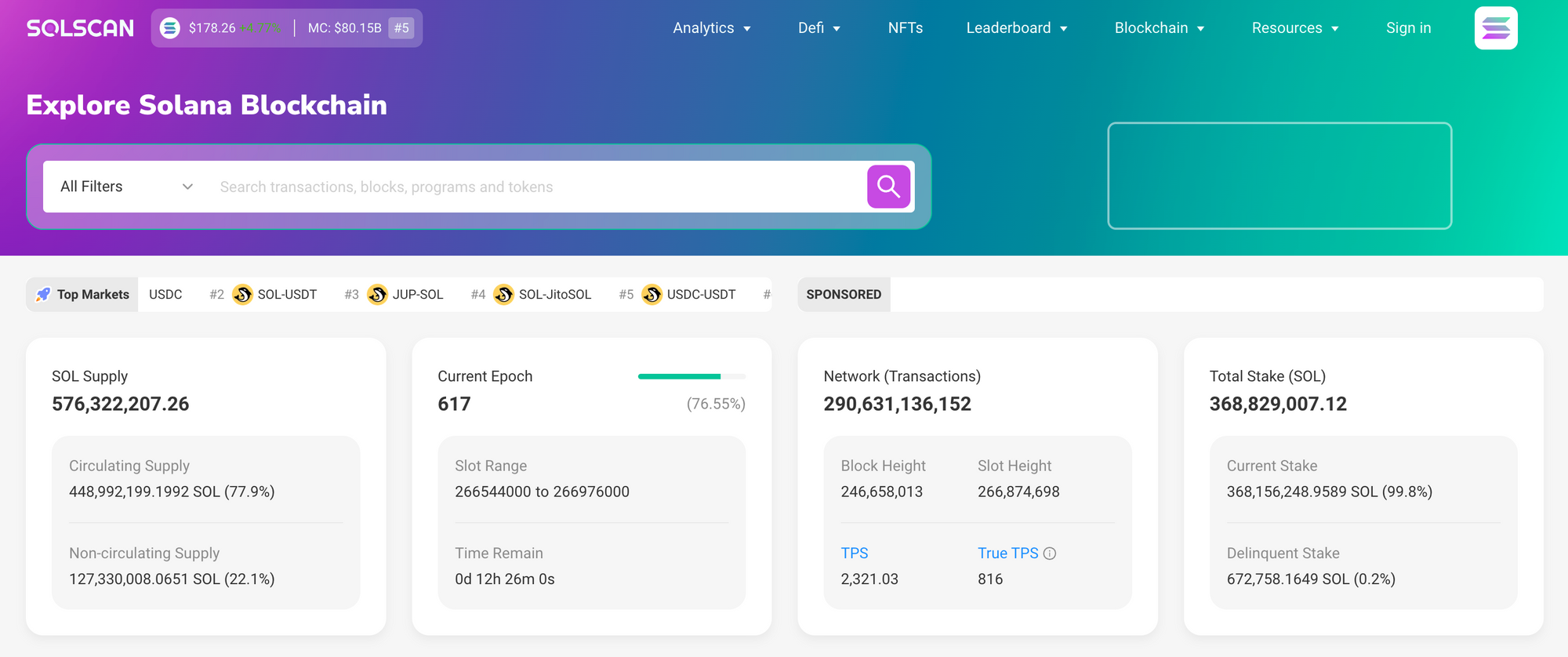
Here’s the thing. Not all explorers are created equal. Some show raw logs with little context. Some add enriched metadata like token labels, price overlays, or NFT collection traits. You want the one that gives clear transaction timelines, token mint histories, and easy-to-use NFT trackers (oh, and by the way—links to the contract and marketplace help, too). If you want a practical daily tool, give the solscan explorer a look—it’s the place I return to when I need clean, fast reads on Solana activity.
Sol Transactions: What I Check First
When I open a transaction page I scan three things fast. First: the status—success, failed, or incomplete. Hmm… that often tells you enough to pivot. Second: the instruction list. Third: the accounts involved and their roles (payer, program, token account, system account).
Short checklist—if you’re tracing a missing payment: did the transaction actually confirm? Was it processed by a program like SPL Token or a marketplace program? Are the token accounts present and initialized? If something felt off about a transfer (like funds “disappearing”), it’s usually one of these: wrong destination address, an uninitialized token account, or a failure in a program call. On one hand it looks like a blockchain bug; though actually, it’s often user error—so check the instruction logs carefully.
Pro tip: watch the pre- and post-balances. They show exactly how SOL and lamports moved. Sometimes a failed instruction still moved rent-exempt balances. Initially I missed that and spent hours chasing ghost funds—lesson learned. Also, keep an eye on block times and slot progression; the network’s throughput means transactions can land in different order than you expected.
NFT Tracker: Following a Mint to Marketplace
I love NFTs for the same reason other people love trading cards—the provenance matters. When tracking an NFT, my first move is to find the mint address. That mint is the key. Really simple.
From the mint address I follow this path: token metadata (on-chain metadata account), owner history (transaction list), and any program interactions (metaplex, auction house, candy machine). If I want to verify a sale, I look for a transfer instruction that’s paired with a marketplace program call and a corresponding SOL movement. Sometimes a sale is “off-chain” and only settlement occurs on-chain; other times it’s all recorded in one neat transaction.
Something I see often: marketplaces batch actions. So a single transaction may mint multiple NFTs, transfer others, and pay creators—it’s a lot. Your tracker needs to show instruction-level detail and decode Metaplex metadata so you can actually read the token name, attributes, and creators. If you only read token balances you miss the story.
Token Tracker: Labels, Price Feeds, and Movement
Token tracking on Solana is both simple and maddening. The SPL token standard makes creating tokens trivial, which means an explorer that surfaces token metadata and verified mints is indispensable. Wow—so many tokens are clones or scams. That’s why you need label and verification layers.
Use a token tracker to: follow supply changes, watch large holder wallets, and view transfer graphs. Large transfers can precede price moves. My intuition (and some backtests) show major token transfers into exchange addresses correlate with dump periods. Not always, but often enough to matter.
Also check token decimals and associated token accounts. I’ve seen folks send “1” token only to realize the token has 9 decimals; that “1” was tiny. Very very important to check decimals and total supply before making assumptions.
Common Pitfalls and How I Avoid Them
One recurring snag: confusing SOL with wrapped SOL (wSOL) inside an SPL token account. They behave differently in transactions and appear in different places in logs. Another: missing token accounts that cause transfers to fail. And then there are gas-fee surprises—Solana fees are tiny, but program calls can add up if a transaction bundles many instructions.
I keep a habit: always open the raw instruction logs when something feels off. Initially I hesitated—raw logs look scary—but they often reveal the root cause in plain sight. Also, don’t trust labels blindly; cross-reference the mint address when you can. (I’m not 100% pedantic here, but I try.)
How I Use an Explorer Day-to-Day
My workflow alternates between quick checks and deep dives. Quick checks: confirm a payment, verify an NFT owner, or check token balances. Deep dives: audit a program interaction, trace a multi-step transfer, or investigate a suspicious token mint. I keep a browser tab with an explorer open—it’s my monitoring cockpit.
If you’re building tools or dashboards, grab program logs via the explorer and parse them into your own UI. That way you can trigger alerts on failed instructions or on big incoming transfers. It’s practical. It works.
FAQ
How do I find a transaction using just a wallet address?
Search the address in the explorer, then filter by transactions or token transfers. Look for the specific token mint if you’re after an NFT or SPL token history.
What if an NFT transfer shows as successful but the marketplace doesn’t reflect the sale?
Check the transaction instructions for marketplace program calls and the buyer/seller addresses. Sometimes marketplaces require off-chain indexing; if the on-chain transfer is present but the marketplace UI hasn’t updated, that’s an indexing delay or an off-chain mismatch.
Can I track token price movements from the explorer?
Explorers may show snapshots and token price overlays, but for live pricing you should pair on-chain exploration with a market data API or DEX orderbook snapshots. Still, explorer transfer history helps infer big moves before they hit price feeds.
Leave a comment